

Taking dispensing beyond the practice into domiciliary care
14 September 2026
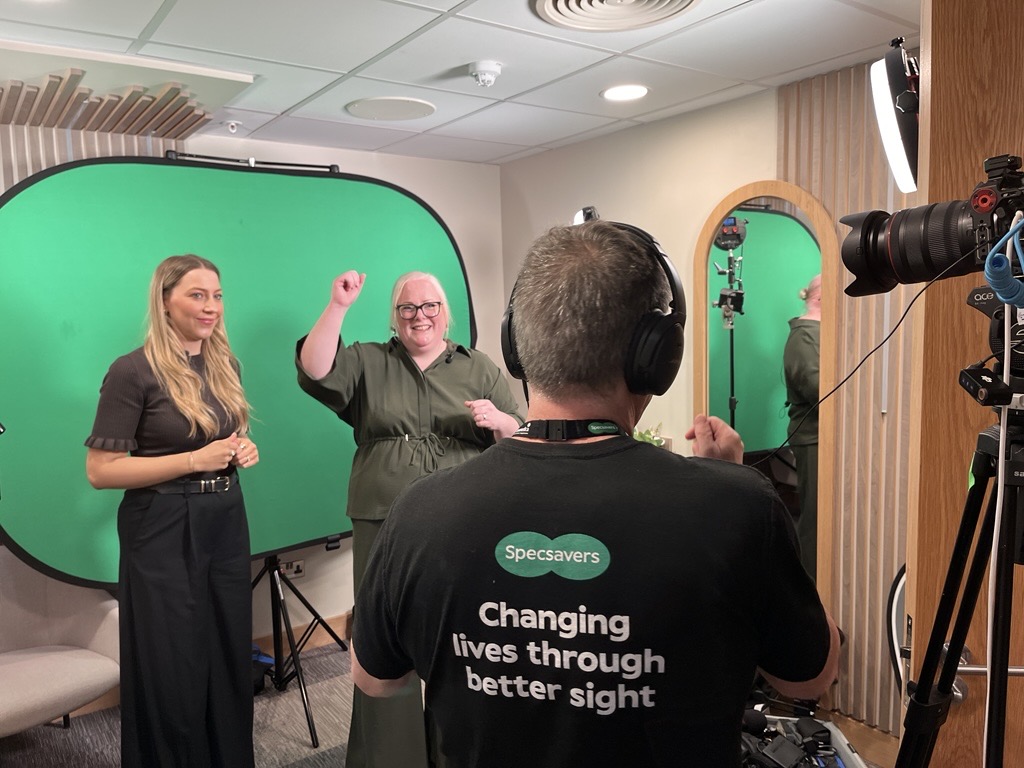 When people think about dispensing opticians, they often picture a busy practice environment.
But for Hannah Yeoman, dispensing optician director at Specsavers Home Visits Aberdeen, and Laura Owens, dispensing optician director at Specsavers Home Visits Edinburgh, some of the most rewarding work happens in patients' homes.
Having both moved from practice-based roles into domiciliary care, they have seen first-hand how dispensing expertise has a positive impact when patients are seen in familiar surroundings.
'Dispensing opticians are experts in their field,' says Hannah. 'They give patients confidence, they give opticians confidence, and they help support the entire clinical experience.'
For Laura, one of the biggest differences is the opportunity to understand how patients really use their vision day to day.
'In a patient's home, you're seeing them in their own environment,' says Ms Owens. 'They're sitting on their normal sofa, they're in the kitchen where they read instructions or prepare meals, and you can get a much better understanding of what's going to work best for them.'
The benefits of dispensing at home
That insight helps dispensing opticians apply their knowledge in a different way. Being able to assess the patient's surroundings directly enables an even more thorough evaluation and can provide insights that may not emerge through questioning alone. They can assess factors such as lighting, working distances and daily routines, helping patients receive eyewear tailored to how they actually live.
Both directors are passionate about the contribution dispensing opticians make to delivering a complete care experience. Within their teams, additional qualifications help colleagues develop specialist skills that can have a significant impact on patients' quality of life.
These opportunities include low vision qualifications and additional hearing-related training, enabling dispensing opticians to support a wider range of patient needs during home visits. Where appropriately trained, team members can carry out otoscopy and identify issues that can then be referred to the relevant hearing professional for further support.
'It's all about doing everything we possibly can to support the patient,' says Ms Yeoman. 'That total care element is really important in helping improve someone's lifestyle and overall experience.'
Providing access to care
Domiciliary care is also changing perceptions about who can benefit from home visits. While many people associate the service with older patients, Ms Owens says the reality is far broader.
'I was surprised by how many children also need to be seen at home,' she says. 'For children who find clinical environments challenging for various reasons - for example those living with a neurodevelopmental difference or learning disability - being seen at home can make a huge difference. You still get all the technical aspects of paediatric dispensing, but in a setting where they feel comfortable.'
The opportunity to support patients in familiar surroundings allows dispensing opticians to make a meaningful difference while delivering highly personalised care.
A profession full of opportunities
As well as highlighting the value of dispensing opticians, both directors are keen to emphasise the opportunities available within the profession.
Ms Yeoman believes domiciliary care can be an excellent starting point for people who are new to optics, with clear progression routes and support available at every stage.
'It's a great environment to learn in. You can progress through Cert 3 and Cert 4 and eventually train to become a dispensing optician. There are so many opportunities available.'