

Specsavers welcomes government vision for healthier high streets
A new government report recognising the importance of accessible healthcare to healthy high streets is being welcomed by Specsavers.
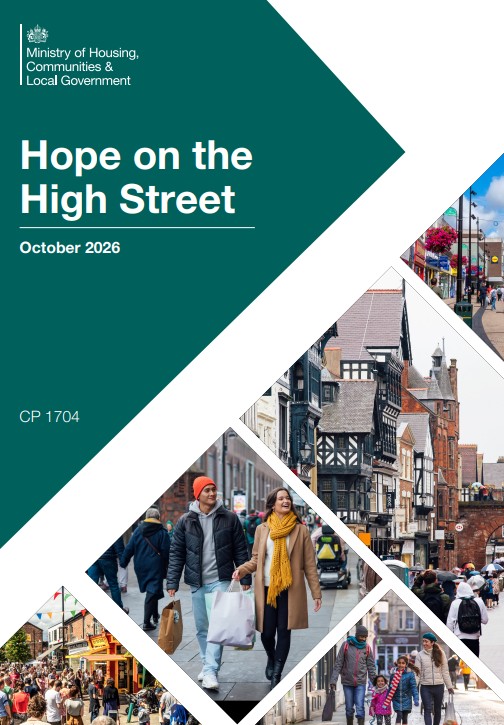
The Ministry of Housing, Communities and Local Government’s Hope on the High Street policy paper says that ‘this Government wants high streets to play a greater role in creating healthier, more connected and economically resilient communities’.
The document also says: ‘Healthy high streets support healthy lives. Well-designed town centres can promote social connection, access to services, employment, healthy living and opportunities for physical activity, helping to improve wellbeing and reduce health inequalities.’
How do community eye and hearing services support high streets?
Community eye and hearing services give people access to healthcare in familiar, convenient local settings. They can also provide purposeful employment, encourage visits to town centres and act as anchors for other high street organisations and businesses.
Welcoming the government report, Sarah Joyce, director of optometry at Specsavers, says Specsavers’ local eye and hearing health experts are playing a vital role in supporting both the health of local communities and the future of the high street.
‘I’m very proud about how Specsavers’ optometry, audiology, dispensing and wider teams care deeply for their high streets and local communities. From providing accessible healthcare, easing pressure on hospitals, to providing valuable and purposeful jobs, our practices are high street anchors supporting footfall,’ she says.
This combination of healthcare, employment and local presence means that community eye and hearing services have a direct interest in the government’s ambition for thriving high streets.
Primary care can help create healthier and more connected communities
Sarah says community eye and hearing experts can help meet the government’s ambition for high streets to play an even greater role in creating healthier, more connected and economically resilient communities.
Greater use of primary care services could improve access to healthcare on the high street, while domiciliary eye and hearing care can extend access into people’s homes.
‘There is a huge opportunity to do this by making greater use of primary care services to improve access to healthcare on the high street and into people's homes through domiciliary eye and hearing care. Our experts have the skills, capacity and care to deliver this worthy ambition.
‘Expanding NHS community glaucoma and audiology services, delivered by high street optometrists and audiologists, is a good example of this. We can act quickly to deliver improved access to healthcare and give more reasons for people to visit the high street.’
Domiciliary care refers to eye or hearing care delivered in a person’s home or another residential setting. It can bring professional expertise to people who are unable to access services on the high street.
Community glaucoma and audiology services show what is possible
Sarah identifies the expansion of NHS community glaucoma and audiology services as an example of how the expertise available on high streets could support the government’s vision.
These services would be delivered by community optometrists and audiologists, making use of their skills and available capacity to improve access to healthcare.
The opportunity brings together two closely connected objectives: helping people access healthcare in their communities and supporting high streets as places where people can obtain useful, trusted services.
What does the government’s high street vision mean for colleagues?
For Specsavers optometrists, dispensing opticians, audiologists and wider teams, the report recognises that the future of the high street is about more than retail.
Accessible healthcare, local employment and professional services can all contribute to healthier and more resilient communities. The work carried out by community eye and hearing teams is therefore relevant to decisions about the future of town centres, as well as to wider discussions about healthcare access.
Sarah says Specsavers will continue to engage with the government about how community eye and hearing expertise can support its ambitions.
‘As experts who care, we will continue to engage with government to explore how together we can progress the agenda of healthy communities and healthy high streets.’
Key points
- The government’s Hope on the High Street policy paper connects healthy high streets with access to services, employment, social connection and wellbeing.
- Specsavers is welcoming the recognition that accessible healthcare can contribute to healthier, more connected and economically resilient communities.
- Community optometrists, dispensing opticians, audiologists and wider teams provide healthcare, purposeful employment and a reason for people to visit their local high streets.
- Domiciliary eye and hearing care can extend access beyond the high street and into people’s homes.
- Expanding NHS community glaucoma and audiology services is one example of how high street professionals could help improve access to healthcare.
- Specsavers will continue engaging with the government about the contribution community eye and hearing experts can make to healthy communities and high streets.