

Specsavers highlights untapped Primary Care capacity at NHS Confederation and NHS Providers Care Closer To Home Conference 2026
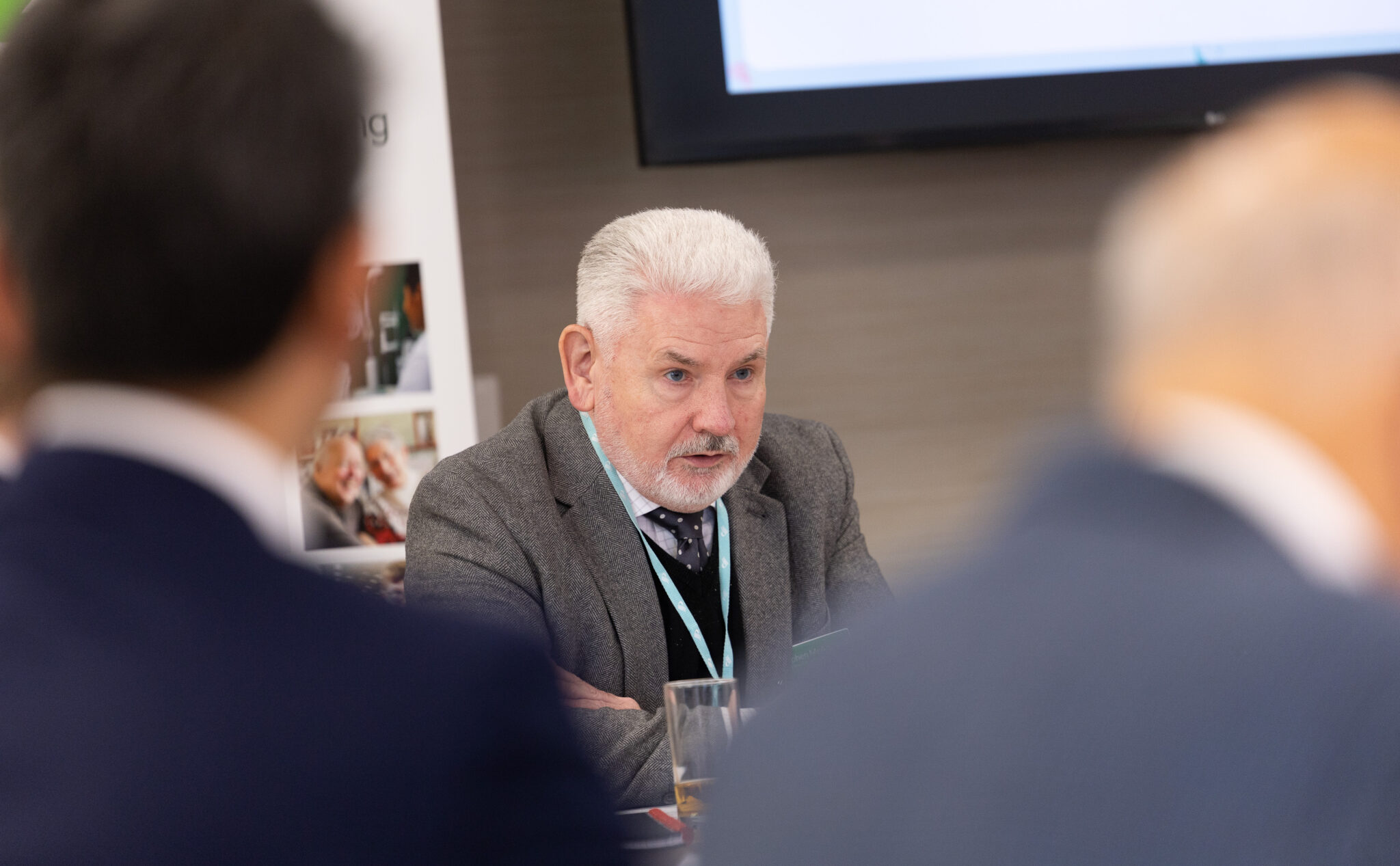
Specsavers hosted a powerful breakout session at this year’s Care Closer to Home Conference, bringing together leaders from primary care to challenge current system design and make the case for a truly integrated, community based model of care.
Chaired by Dr Duncan Gooch, Chair - Primary Care Network, NHS Confederation and GP and PCN Clinical Director, Erewash Health Partnership, the session “Primary care without walls: making care closer to home real” featured:
- Stephen McAndrew, Director of NHS Services, Specsavers
- Dharmesh Patel, Chief Executive, Primary Eyecare Services
- Amit Patel, Chief Executive, Community Pharmacy South West London
- Sara Hurley, Former Chief Dental Officer for NHS England
Together, they made a compelling case that England already has the capacity, capability and community based workforce needed to deliver care closer to home - what is missing is the mindset, system connectivity and integrated commissioning required to release it.
Opening the session, Stephen McAndrew challenged the persistent mindset that overlooks optometry, pharmacy and dentistry in primary care commissioning and strategy discussions:
‘Primary care is not just GPs. Too often we hear, ‘we just forgot you.’ Yet pharmacy, optometry and dentistry are frequently the most accessible, most effective community-based parts of the health system.’
McAndrew emphasised lessons from NHS Scotland, where optometry and pharmacy routinely complete patient journeys without involving GP appointments: ‘Scotland shows what’s possible. Patients receive safe, effective care closer to home from professionals who already have the skills and infrastructure. We don’t need new buildings or diagnostic centres — we need to use what already exists.’
Speakers urged deliberate, not accidental, integration and emphasised that the major barriers to progress are mindset and structural design, not professional capability.
Dharmesh Patel stressed the need for systemwide co‑design and genuine neighbourhood integration. He called for co‑production in the development of England’s emerging Neighbourhood NHS structures: ‘We need the right leadership around the table. Integration cannot be designed in silos — yet this is still happening. Why is the government not requiring co‑production in every Place?’
Amit Patel asked why England has fallen behind other UK nations that have empowered local primary care providers to shape pathways. ‘We can deliver more — and we are ready to. But we cannot influence the ‘how’ if we’re locked out of pathway design.’
Former Chief Dental Officer Sara Hurley reflected that fragmentation is rarely about people, it is about design. ‘When urgent care, prevention and routine commissioning are planned separately, we get reactive services. When they are designed together, community providers moderate demand and strengthen resilience. Siloed services recycle pressure. Aligned services reduce it. The difference is not funding alone it is integration.’
The panel closed with a clear series of practical challenges for system leaders:
- Ask, ‘Who is missing?’ from every planning, commissioning or budget meeting.
- Focus on mindset and connectivity, not new buildings or additional layers of governance.
- Challenge siloed thinking, particularly separate budgets for primary, urgent and elective care.
- Learn from places where integration already works, rather than reinventing models from scratch.
Closing the session, McAndrew urged delegates to take a more deliberate approach to integration: ‘Primary care providers outside general practice are often the most community embedded parts of the NHS. They must have a seat at the decision making table if we want genuine transformation and better use of resources.’
Specsavers is committed to strengthening primary care capacity across the UK, supporting NHS partners and enabling patients to access high quality, preventative care closer to home. As sponsors of this session, Specsavers continues to champion fully integrated, neighbourhood models of care that make best use of community optometry, audiology and other primary care services.